Our Method

A rigorous framework, a space for imagination

Our method combines a structured framework with freedom of exploration: strategic foresight, systemic analysis, expert and citizen workshops — open to experimentation and sensitive expression, through the tools of design fiction.

THE IF TOOLKIT

Four Families of Methods

A named methodological architecture, each with a main method and complementary methods — the scientific foundation that anchors our narrative and artistic approaches.

Family 1

Understanding the Immediate Future

Trend analysis, mapping, weak to strong signals.

Family 2

Exploring Possible Futures

Scenarios, Backcasting methods, Gap analysis, Morphological analysis, Magic Quadrants, Futures Literacy Lab.

Family 3

Evaluative Methods

Integrative Technology Assessment with symmetry requirements, risk assessment, TAM.

Family 4

Translation Approaches

Roadmap, Investment plan, transformation strategy.
Pedagogical Design at the Heart of Our Approach

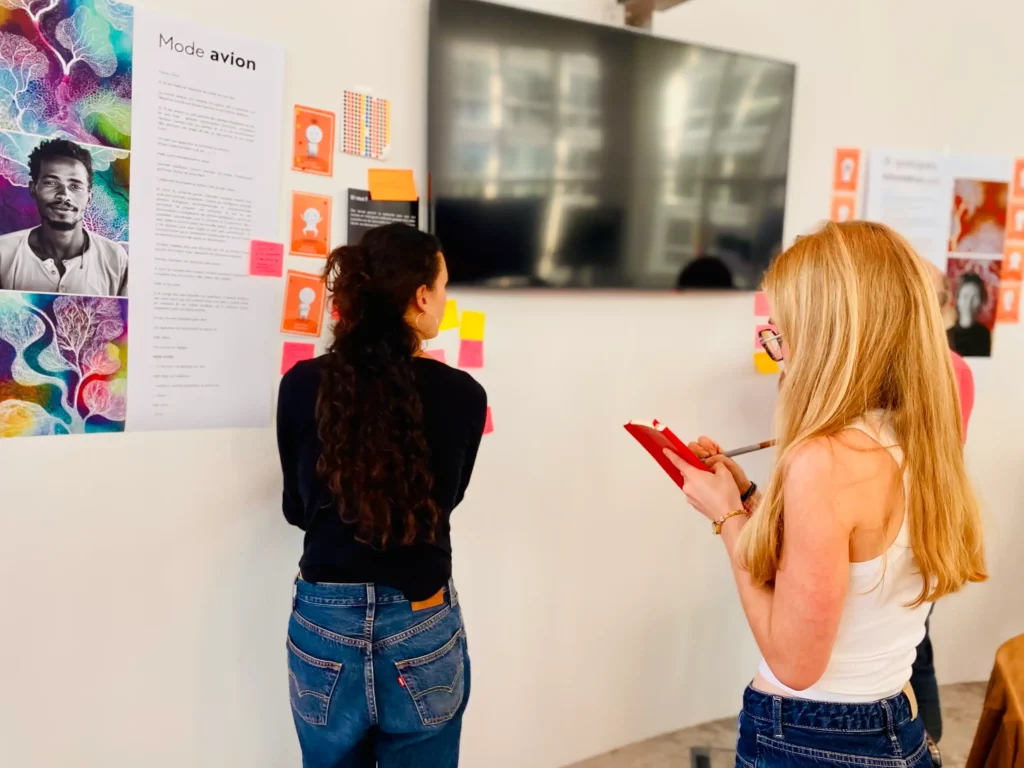
We combine creativity, storytelling, and pedagogy to translate complex issues into accessible, engaging, and participatory experiences. From games to exhibitions, including narratives and immersive workshops, we design formats that spark curiosity, foster reflection, and invite collaborative exploration of possible futures.

foresight serious game

What if Health

Explore the future of health, confront different perspectives, and collectively imagine other possibilities.

10

scenario cards

80

environment, geopolitics, inspiration, technological innovation, dilemmas, black swans

4-8

players/group

View more

Challenges Addressed

The 4-Step Journey

01

Setting the Scene

Immersion in 2040: draw a scenario card and climate, geopolitical, innovation cards.

02

Finding Levers

Overcoming obstacles with inspiration cards.

03

Managing the Unexpected

Black swan and tension cards disrupt the scenario.

04

Imagining the Next Steps

Formulate a bold strategy as a team.

The 'What If Health' Discovery Workshop

At trade fairs or partner events, a short version (45 minutes) of the game, a lively demonstration, far more memorable than a commercial brochure, and consistent with our positioning: report versus lived experience.

Exploration Notebooks

Bringing possible futures to life through illustrated stories that spark imagination and foster reflection.

Immersive Workshops

Bringing perspectives together and opening dialogue to collectively explore possible transformations.

Immersive Exhibitions

Making tomorrow's challenges tangible through visual and narrative experiences that invite viewing, feeling, and questioning.

Technique

The Multi-Criteria Prioritisation Grid

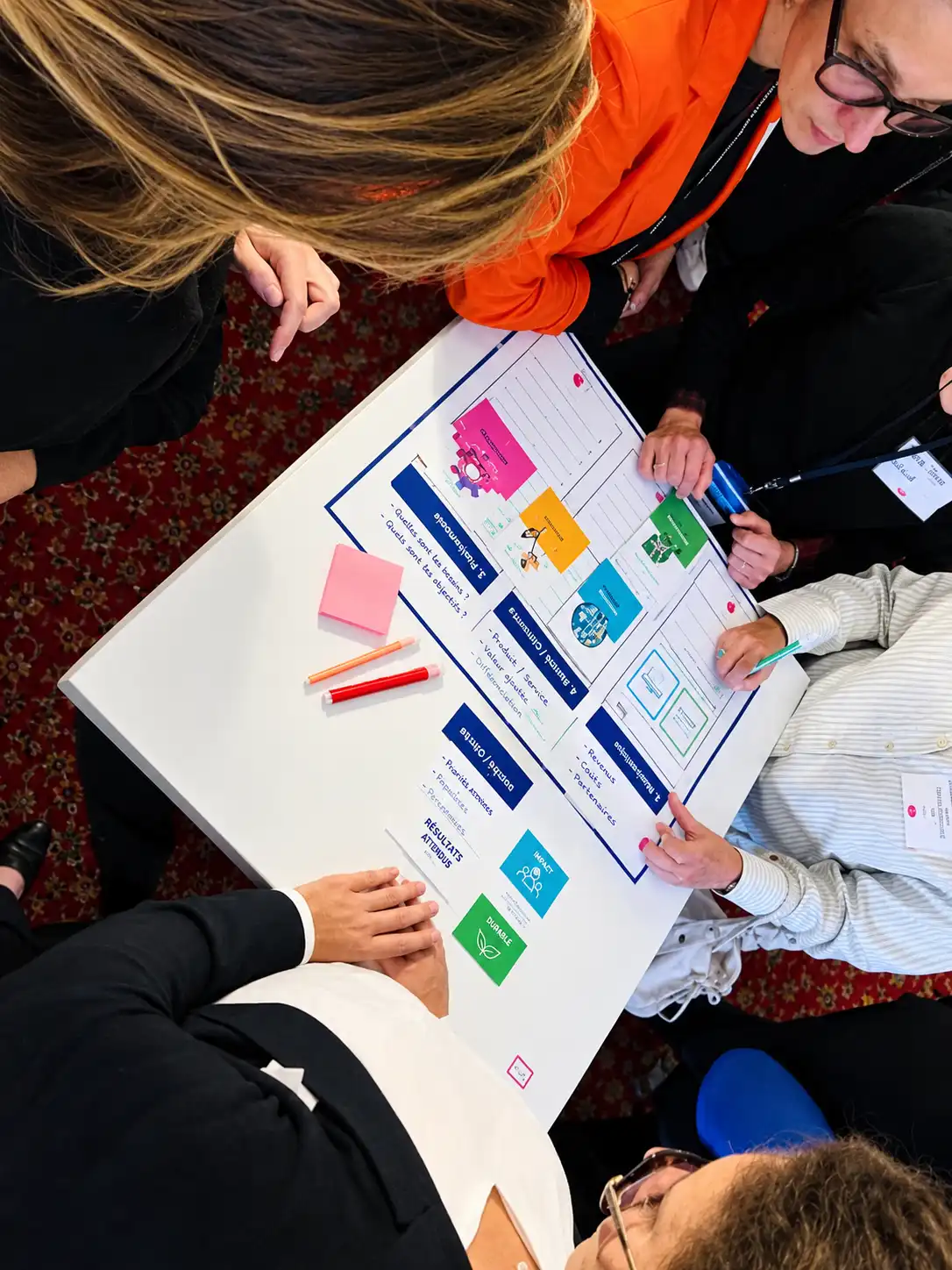
For missions that extend to decision-making, we combine multi-criteria analysis (MCDA) with a deliberative process, to confront expertise, objectify trade-offs, and generate robust, shared priorities. The goal is not to produce an exhaustive list, but prioritised and agreed-upon priorities.

Categories of Criteria Used

What if, to imagine tomorrow, we started by telling its story?

What if we imagined your future together?

Priority Method

The Rossel / Glassey Approach

A Technology Assessment method developed by Inspiring Futures, central to our understanding of technological and societal impacts — mobilised in the majority of our future exploration missions.

Proof of Rigour

The Scenario Specification Document

A Technology Assessment method developed by Inspiring Futures, central to our understanding of technological and societal impacts — mobilised in the majority of our future exploration missions.

The 2x2 Foresight Matrix (Backcasting)

This method starts from a possible future and then progressively works back to the present, to identify the paths, decisions, or disruptions that could lead to it. It crosses two structuring axes, each opposing contrasting dynamics, to reveal several plausible and distinct futures.